Narrow-street moves on The Burroughs: Tight access tips
Posted on 10/06/2026
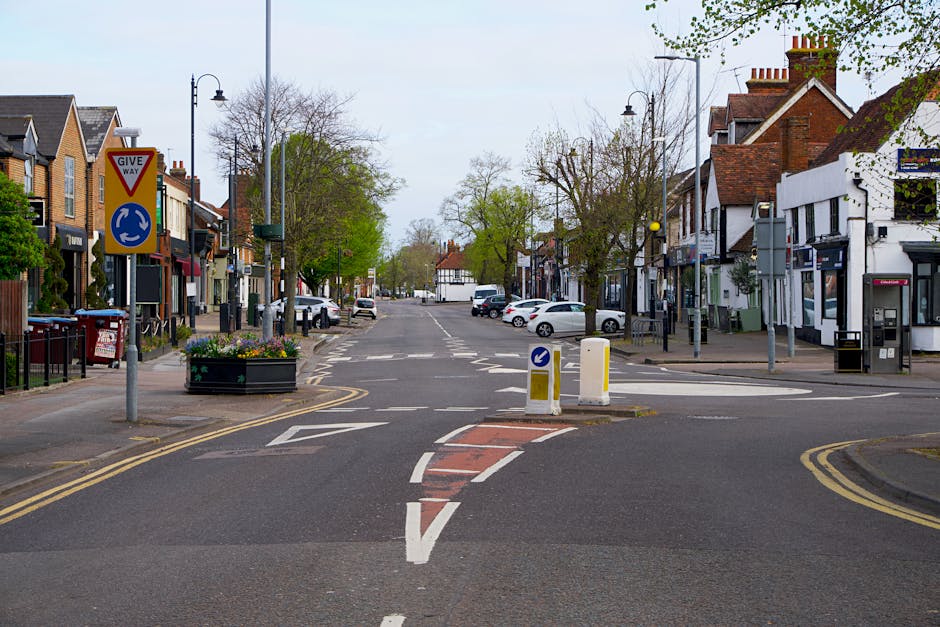
Moving on a narrow street sounds simple until the van arrives, a neighbour's car is parked awkwardly, and the sofa is already at the doorway. If you're planning a move on The Burroughs, tight access tips matter more than most people realise. A few small decisions made early can save time, reduce risk, and stop the day from turning into a scramble. In our experience, the difference between a calm move and a stressful one is often just preparation - and, yes, a bit of local know-how.
This guide walks you through the practical side of Narrow-street moves on The Burroughs: Tight access tips: how access checks work, what to do before move day, how to handle parking and loading, and where people most often trip up. You'll also find a checklist, a comparison table, and a realistic example from a typical Hendon move.
Why Narrow-street moves on The Burroughs: Tight access tips Matters
The Burroughs, like many residential roads in north London, can present the sort of access challenges that are easy to underestimate. Narrow carriageways, parked cars, limited turning space, tight front gardens, and shared access points can all slow a move down. That matters because removals are time-sensitive work: the less time a van spends blocked or repositioned, the lower the chance of disruption.
It also matters for safety. People tend to focus on the biggest item - the wardrobe, the mattress, the piano - but the real problem is often the route between the property and the vehicle. One wrong turn with a heavy item and suddenly you've got scuffed walls, strained backs, or a van stuck at an awkward angle. Nobody needs that on moving day.
There's a local angle too. On streets like The Burroughs, the best moves are planned around the road itself, not just the postcode. That means looking at access from both ends, checking whether the van can sit close enough for efficient loading, and deciding whether your move is better suited to a man and van service or a larger team with a wider vehicle. If you need a broader overview first, the services overview is a sensible starting point.
Expert summary: On tight streets, success usually comes from three things: early access planning, reducing the load before move day, and choosing the right vehicle size for the road rather than the furniture list alone.
How Narrow-street moves on The Burroughs: Tight access tips Works
The practical process is straightforward, though the details matter. Before moving day, someone needs to assess how the vehicle will reach the property, where it can wait safely, and how items will move from door to van. That assessment can be done with a site visit, photos, a video call, or a very careful description of the street and entrance. To be fair, a quick message saying "it's a bit tight" is rarely enough.
Most tight-access moves follow the same basic pattern:
- Confirm access conditions. Check road width, kerb space, parked vehicles, steps, railings, gates, and any bend that may affect the approach.
- Match the vehicle to the route. A smaller van can sometimes save far more time than a bigger one that cannot park sensibly.
- Protect the property path. Door frames, corners, floor edges, and narrow hallways need extra care.
- Stage items near the exit. The less carrying distance, the fewer delays and the lower the injury risk.
- Load in a logical sequence. Heavy, awkward, or fragile items are handled first or last depending on the layout and route.
For many households, tight access planning goes hand in hand with smart packing. If the move is still in the planning stage, the advice in organized packing for moving house pairs well with access prep. Fewer loose items means fewer trips, and fewer trips means fewer chances to snag a door frame or block the pavement.
A good mover also thinks about the reverse journey. Getting a wardrobe out is one thing; getting it into a van without scratching the sides, the floor, or the neighbour's bumper is another. That's why experienced teams often do a quick route walk before lifting anything. It feels almost overly cautious at first. Then you notice the one low-hanging branch, the shared entrance, or the car that always seems to appear in the exact wrong spot.
Key Benefits and Practical Advantages
Well-planned narrow-street moves are not just safer. They are usually faster, less messy, and easier on everyone involved.
- Less time wasted repositioning the van. In a tight street, every unnecessary move costs minutes.
- Lower damage risk. Better route planning reduces bumps, scrapes, and strained corners.
- Less lifting distance. Shorter carries make a real difference, especially with bulky furniture.
- Less stress for neighbours. A tidy, considerate loading plan causes fewer complaints and fewer awkward conversations.
- Better control over awkward items. Large furniture, beds, and heavy boxes are easier to manage when access is mapped out first.
There is also a mental benefit, which people often overlook. Once the access side is sorted, the rest of the move becomes more predictable. You stop wondering where the van will go, whether the mattress will fit through the hall, or if you need to borrow extra hands. That calmer headspace helps a lot. Truth be told, moving day is hard enough without second-guessing the kerbside plan every ten minutes.
If your move includes larger furniture, it may help to think in categories. For example, a bulky sofa can need different handling than boxes or small appliances. Our guide on furniture removals in Hendon is useful background, and if you're dealing with bigger seating, the advice in sofa storage and care is also relevant when you need to protect it before or after the move.
Who This Is For and When It Makes Sense
This type of planning matters for anyone moving on or near a narrow street, but some situations benefit especially strongly from it:
- flat moves with no driveway or private forecourt
- family homes on busy residential roads
- student moves with limited lift access and lots of boxed items
- office moves with delivery windows and shared entrances
- moves involving heavy furniture, pianos, or long items like beds and wardrobes
- same-day or short-notice removals where there is little room for error
It also makes sense if you're moving at a time when parking is unpredictable - school runs, weekend traffic, or the after-work rush. On these streets, a 20-minute delay can snowball quickly. A van that can't stop close to the property often means extra carrying, extra fatigue, and a greater chance of someone doing "just one more lift" when they're already tired. That's when mistakes happen.
Students and renters often ask whether the planning is really worth it for a smaller move. Usually, yes. Smaller moves can be just as awkward because they are rushed, under-planned, and full of items packed in a hurry. If that sounds familiar, student removals in Hendon and a seamless, stress-free move are both worth a look before you start lifting.
Step-by-Step Guidance
If you want the move to feel controlled rather than chaotic, follow a simple order. Nothing fancy. Just a clear sequence.
1. Measure the real access, not the ideal access
Walk the route from the room to the van. Measure door widths, hallway pinch points, stair turns, and any tight corners. Don't forget railings, low ceilings, or a narrow front path. A sofa that "probably fits" can become a problem when it reaches a stairwell turn at an odd angle.
2. Decide where the van can actually stop
Look for a legal, sensible stopping point that keeps the carry short without blocking neighbours or creating danger. Sometimes the best option is a little further away but much safer. A van parked awkwardly in the middle of a squeeze can cause more stress than a slightly longer carry.
3. Clear the exit point before move day
Move shoes, bins, bikes, plant pots, and anything else that can catch a wheel or a boot. The entrance should feel almost bare. It's amazing how often one small umbrella stand becomes the obstacle everyone trips over.
4. Pack in loading order
Items you'll need last should be packed first only if they won't obstruct loading. In practice, the smartest approach is often to pack by room and then separate the awkward items. Use clear labels, and keep the path items in the easiest-to-reach place. If you need help with the general packing side, packing and boxes in Hendon can be a useful support page, and the packing guide adds extra structure.
5. Protect the route inside the property
Door corners, bannisters, and floor edges deserve attention. Use blankets, edge protection, or temporary floor coverings where needed. A narrow hall can look easy on paper and then feel twice as tight once you start carrying a mattress through it. If the move includes a bed, this bed and mattress moving guide may save you a headache or two.
6. Load strategically
Load heavier items in a way that keeps the van balanced and the unloading order sensible. On a tight street, you want efficient loading because re-parking mid-move can be the biggest delay of the day. Heavy items are usually placed with care near the front or bottom of the load, but the exact method depends on what else is going in. No two vans are exactly alike, and that's fine.
7. Keep communication short and clear
When the access is tight, the team needs simple instructions: where to stop, which entrance to use, and what to avoid. Short, direct messages work better than a long explanation when everyone is already carrying something. Let's face it, nobody wants a lecture at the kerb while balancing a wardrobe.
Expert Tips for Better Results
Here are the practical details that often make the biggest difference on narrow residential roads.
- Use smaller loads per trip. It feels slower at first, but it can be faster overall because it lowers the risk of damage.
- Pre-label awkward items. Mark anything fragile, heavy, or high-priority so the crew can plan the sequence.
- Keep a "do not block" zone clear. That includes entrances, bins, and any neighbour access that must stay open.
- Have one person directing the load. Too many people giving directions can create confusion very quickly.
- Check for time-sensitive parking issues. School arrival times, bin collections, or delivery slots can change the street mood in a hurry.
- Be realistic about DIY lifting. A small box is fine. A sofa in a narrow stairwell is not a casual Saturday task, despite what we sometimes tell ourselves.
One thing experienced movers notice is that tight access often becomes easier once the first few items are out. The space opens up, the team can see the route better, and the day settles into a rhythm. That first half-hour matters most. Get that right and the rest usually follows.
If you're moving delicate or specialist pieces, use the right help from the start. The guidance in piano removals in Hendon and piano moving expertise is a good reminder that not every item should be approached the same way.
Common Mistakes to Avoid
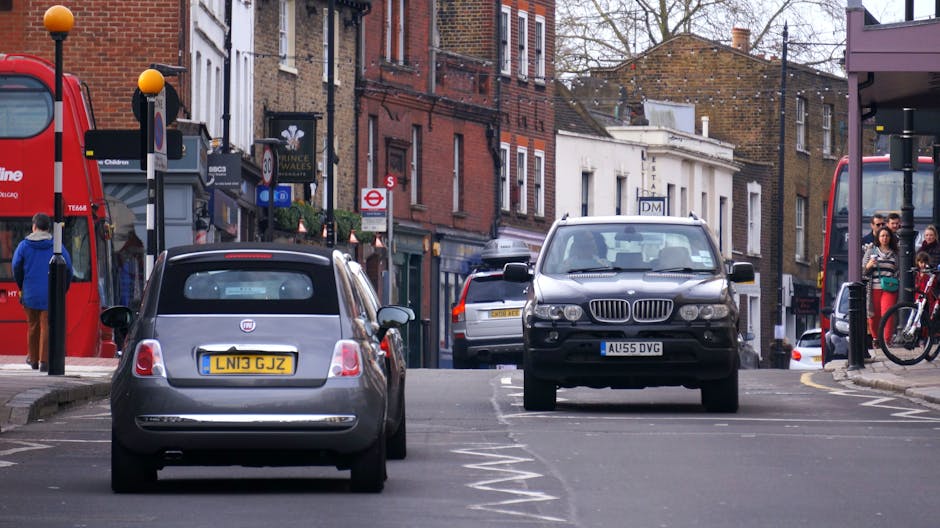
A lot of access problems are not really access problems at all. They are planning problems. Here are the ones we see most often.
- Assuming the van will "just fit". Streets rarely feel wider on moving day than they did during the photo walk.
- Ignoring parked cars. A road that looks passable at 7 a.m. may be much tighter by 10 a.m.
- Leaving clutter at the entrance. A tidy doorway speeds everything up.
- Underestimating heavy items. One bulky wardrobe can disrupt the whole schedule if it needs extra handling.
- Packing poorly. Loose, overfilled boxes make carrying slower and less stable.
- Trying to do too much without help. That "we'll manage" attitude can be expensive in time and energy.
A subtle but important mistake is forgetting the unload side. Some people focus entirely on getting out of the old property and then discover the new one has equally awkward access. If your destination is also a flat or shared building, reading about flat removals in Hendon can help you think ahead.
Tools, Resources and Recommendations
You do not need a van full of gadgets to manage a tight street move, but a few practical tools make life easier.
- Measuring tape. Basic, reliable, and worth having on hand.
- Furniture blankets. Useful for edges, corners, and delicate finishes.
- Strong tape and labels. Helps keep boxes readable when the pace picks up.
- Protective covers. Good for mattresses, sofas, and upholstered items.
- Gloves with grip. Handy for awkward carrying and damp weather.
- Phone photos or a short video. Very useful when explaining access to a mover in advance.
For planning and reassurance, it helps to look at the wider support services around the move as well. If you need flexible help, the team approach described on removal services in Hendon may be more appropriate than a one-off lift. If your schedule is tight, same day removals in Hendon can be the right fit, provided the access details are clear early.
And if you are comparing options, use the pricing page carefully rather than guessing from a rough voice note. pricing and quotes can help you make sense of how access, vehicle size, and item volume may affect the plan.
Law, Compliance, Standards, or Best Practice
On tight streets, compliance is mostly about common-sense UK moving practice rather than anything dramatic. Still, a few points deserve attention.
First, parking and loading should be done considerately and legally. If a vehicle is likely to stop on a public road, it should not create an obstruction or unsafe situation. In many parts of London, this means planning with local parking rules, access constraints, and neighbour movement in mind. Exact conditions vary, so the safest approach is to check the practical realities of the street rather than rely on assumptions.
Second, moving teams should work in a way that protects people and property. That means sensible lifting techniques, clear communication, and proper handling of awkward or heavy items. If you want to understand the broader approach, health and safety policy and insurance and safety are relevant supporting pages.
Third, data and payment handling should be straightforward and secure. It sounds unrelated, but in practice customers want to know their booking details and payments are handled properly. If that matters to you, payment and security is worth a look, and so is the wider company background on about us.
Finally, good access planning is also part of good neighbour behaviour. Keep entrances clear, avoid blocking pavements longer than necessary, and reduce noise where possible. It's simple stuff, really, but it keeps the move smoother for everyone on the street.
Options, Methods, or Comparison Table
When moving on a narrow street, there is usually more than one workable approach. The right choice depends on the property, the volume of belongings, and the road layout.
| Method | Best for | Strengths | Watch-outs |
|---|---|---|---|
| Small van close to property | Very tight streets and short carries | Fast loading, easier parking, less walking distance | May require more trips if the load is large |
| Larger van parked further away | Moves with more items but limited frontage space | More load capacity in one go | Longer carry, more fatigue, more chance of delays |
| Hybrid approach | Mixed-size moves and tricky access | Flexible and often practical | Needs stronger coordination |
| Specialist handling for awkward items | Pianos, oversized sofas, beds, antiques | Lower damage risk, safer lifting | May cost more and take longer to plan |
For many households, the hybrid approach ends up being the most sensible. A small van or man-and-van setup handles the access, while specialist handling covers the awkward pieces. That is especially true for local residential streets where parking is tight but the move itself is not massive.
If you are moving a lot of furniture, or items that need a bit of care, the specific guidance on house removals in Hendon can help you decide whether a fuller service is better than a basic vehicle-only option.

Case Study or Real-World Example
Here's a typical scenario. A family moving from a first-floor flat on a narrow road near The Burroughs had a sofa, a bed frame, several book boxes, and a few large kitchen items. The street was lined with parked cars on one side and had only a short clear stretch near the property. On paper, it looked manageable. On the day, it was tighter than expected - because of course it was.
Instead of forcing a larger van into the closest spot, the team chose a safer parking point a little further along the road. Before lifting anything, they checked the hallway turn, measured the sofa against the stair angle, and moved the most awkward pieces first while the route was still clear. The boxes were grouped into small loads, which kept each carry short and stable. No drama, no huffing, no damaged plaster.
The move still took effort, naturally. But it stayed orderly. The family had already decluttered a little beforehand, which meant fewer unnecessary items and less crowding in the hallway. That aligns nicely with the practical advice in decluttering strategies for moving. They also booked a simple follow-up storage option for one item they were not ready to place in the new home yet, and a service like storage in Hendon can be useful in exactly that sort of situation.
The main takeaway? Tight access does not have to mean a hard move. It just means the planning needs to be a little sharper.
Practical Checklist
Use this checklist a day or two before moving day. It will save you from those annoying last-minute surprises.
- Measure the narrowest points between room and van route
- Check where the vehicle can legally and safely stop
- Remove bins, bikes, plant pots, and hallway clutter
- Confirm whether any steps, railings, or low ceilings affect lifting
- Label heavy, fragile, and priority items clearly
- Pack boxes so they are not overfilled or top-heavy
- Protect doors, corners, and floor edges
- Keep one person responsible for directing access
- Plan for parking changes during busy times of day
- Tell the mover about any awkward furniture in advance
- Have keys, payment details, and contact numbers ready
- Leave a little extra time. Just a little. It helps.
Quick reminder: if you are dealing with awkward or valuable pieces, you may want to combine route planning with specialist help rather than trying to "wing it" on the day. That is usually where the trouble starts.
Conclusion
Narrow-street moves on The Burroughs need more thought than an ordinary curbside move, but they do not need to be stressful. Once you measure the route, think about parking properly, reduce clutter, and match the vehicle to the street, the whole job becomes much more manageable. The best moves are rarely the loudest or fastest ones; they are the ones that feel steady, controlled, and quietly efficient.
If there's one thing to carry away from this guide, it's that tight access rewards calm planning. Don't wait for moving day to discover the awkward turn, the parked car, or the sofa that hates stairwells. Sort the route early, keep the load sensible, and the rest is much easier. That small bit of effort upfront pays off in a big way later.
Get a free quote today and see how much you can save.